


Tulum is famous for its vibrant energy, but that reputation often overshadows a quieter reality. Beyond the beach clubs and the bustling main strip, there is a slower, more restorative side of Tulum—one shaped by intentional design, wellness-oriented spaces, and neighborhoods built for calm.
For travelers seeking rest rather than stimulation, finding genuinely calm hotels in Tulum requires a more thoughtful approach. This guide is designed to help you move beyond the noise and understand what truly defines a peaceful stay, where those environments tend to exist, and how to identify them with confidence.
What Defines a Calm Hotel in Tulum?
A tranquil stay in Tulum is rarely about a specific name. Instead, it’s defined by a combination of location, design philosophy, and guest experience. Properties that cultivate calm tend to prioritize atmosphere over entertainment and restoration over nightlife.
Common characteristics include:
- Thoughtful location away from the main beach road
- Architectural design that integrates natural materials and open space
- Wellness-forward environments that support rest and balance
- Guest policies that favor quiet, intimate experiences
Understanding these traits makes it easier to recognize places that genuinely support relaxation.
Location Matters More Than Most Travelers Expect


One of the strongest indicators of a calm stay in Tulum is where the property is located. Areas closer to the beach road tend to experience more traffic, music, and late-night activity, while residential neighborhoods inland offer a natural buffer.
Planned communities such as Aldea Zama consistently appeal to travelers seeking tranquility. Designed as a residential zone rather than an entertainment corridor, Aldea Zama balances accessibility with quiet surroundings.
Many travelers researching peaceful stays find it helpful to understand how a quiet boutique hotel in Tulum fits into neighborhoods like Aldea Zama, where the overall environment supports slower mornings and restful evenings.
Design and Architecture as Signals of Calm


Design plays a central role in how a space feels. Calm-oriented properties often rely on:
- Natural materials like wood and stone
- Open-air layouts that invite light and airflow
- Private terraces or balconies that create personal space
Minimalist interiors and thoughtful spacing help reduce sensory overload, making it easier to disconnect and recharge.
Wellness Orientation and Daily Rhythm
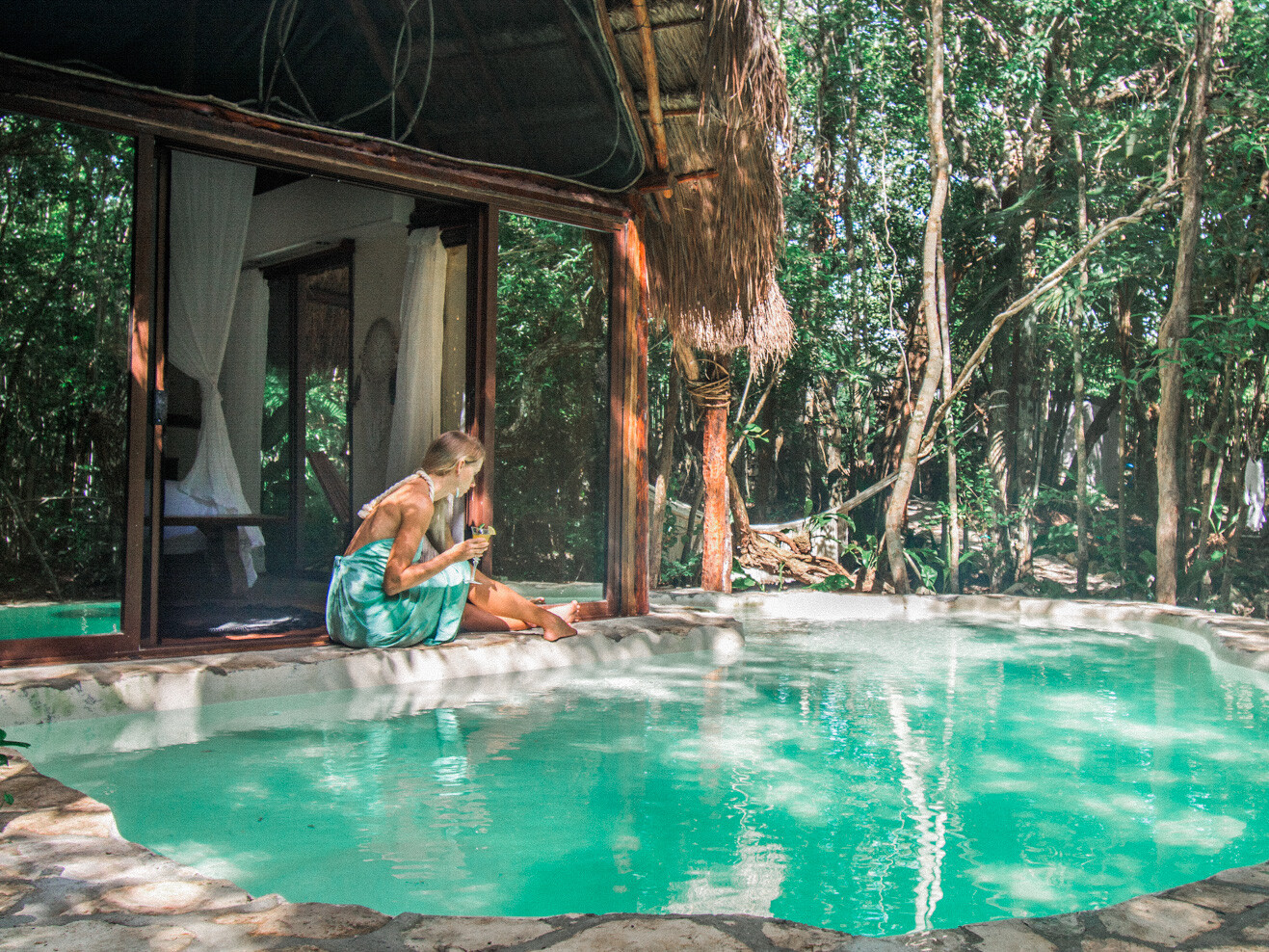


Wellness-focused environments naturally attract guests with similar intentions, which reinforces a peaceful atmosphere. Rather than entertainment schedules, these spaces often emphasize balance and routine.
Typical features include:
- Yoga or movement areas
- Meditation or reflection spaces
- Calm communal zones designed for rest
Choosing a wellness-oriented stay often leads to better sleep quality and a more grounded daily pace.
How to Read Between the Lines When Researching
Identifying Quiet Through Descriptions
When researching potential stays, pay attention to how a property describes itself. Language that emphasizes privacy, restoration, or mindfulness is often a positive indicator, while heavy focus on social spaces or nightlife suggests a more energetic environment.
Using Reviews Strategically
Rather than reading every review, look for patterns. Searching within reviews for words like quiet, peaceful, music, or noise can quickly reveal how a place feels in practice.
Recent feedback is especially valuable, as Tulum’s atmosphere can change quickly.
What Travelers Often Miss About Calm Stays in Tulum
Experience-based insight
Many travelers underestimate how much pace and geography shape their experience. Distances feel longer than expected, and midday heat naturally slows activity. Areas that seem close on a map can feel worlds apart in daily rhythm.
Those who report the most restorative stays tend to:
- Choose residential or wellness-oriented locations
- Limit daily plans
- Treat rest as part of the itinerary
Recognizing this dynamic early helps set realistic expectations.
Direct Communication Makes a Difference
Once you’ve identified a promising option, direct communication often clarifies details that listings can’t convey. Speaking with a property directly allows you to ask about:
- The quietest areas of the property
- Typical guest profiles
- How wellness or calm is supported day to day
This step removes uncertainty and helps align expectations before arrival.
Final Thoughts: Choosing Calm With Intention
Finding calm hotels in Tulum isn’t about uncovering secrets—it’s about applying the right lens. When you focus on location, design, wellness orientation, and guest experience, the difference between energetic and restorative stays becomes clear.
By prioritizing quieter neighborhoods, thoughtful architecture, and environments designed for rest, travelers can experience a side of Tulum that supports balance, clarity, and renewal.
If a quiet, wellness-focused environment aligns with your travel goals, learning more about a quiet boutique hotel in Tulum can provide helpful context for how tranquility fits into the destination as a whole.
Leave a Reply